People in need
18.5 million
People in need of humanitarian assistance
Current figure after the plan was revised. At launch (8 December 2025) the estimate was 14.9 million.
Source: UN OCHA · 2026 · Last verified 24 November 2026
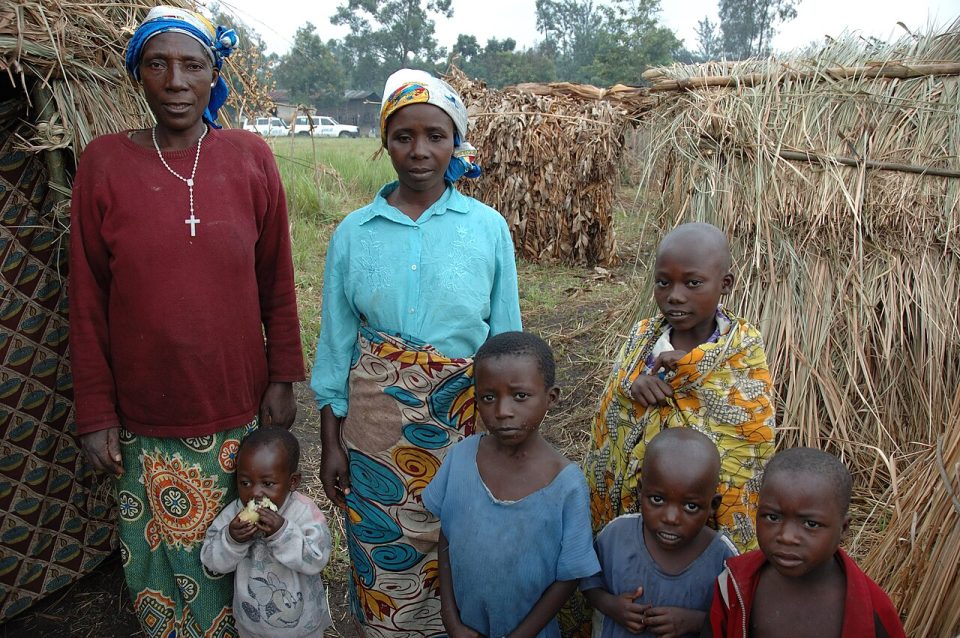
One of the largest displacement crises in the world
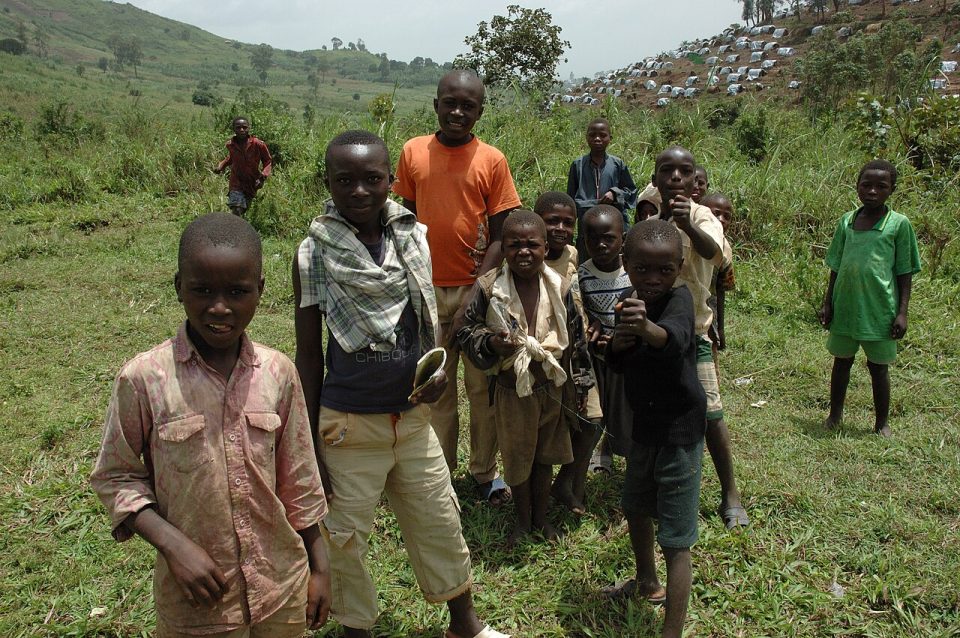
Armed conflict remains the main driver of humanitarian needs in the Democratic Republic of the Congo, especially in North Kivu, South Kivu and Ituri.
Photo: Julien Harneis · CC BY-SA 2.0 · 2007 · Source
1 · The humanitarian reality
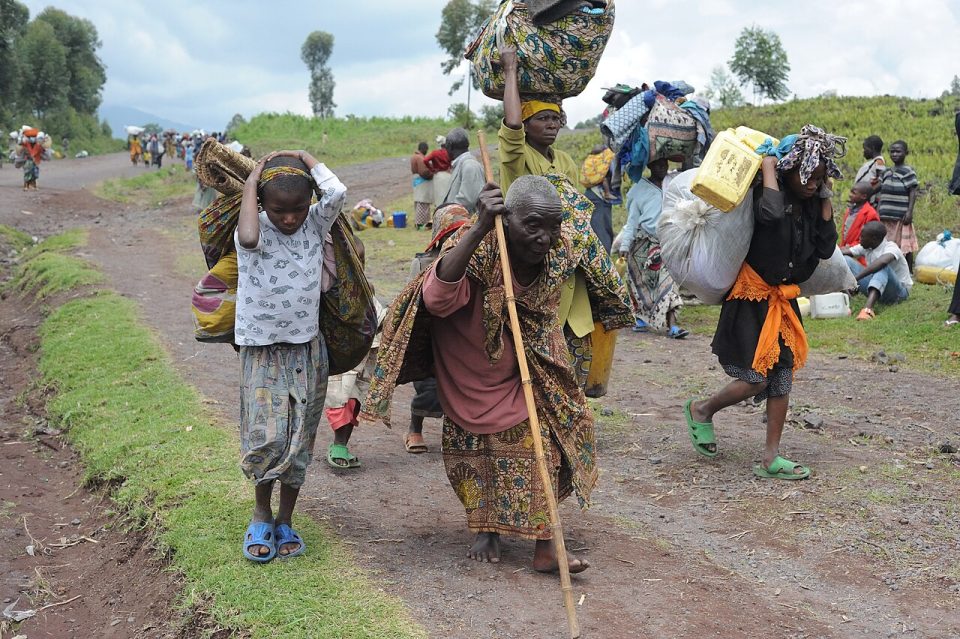
In 2025, hostilities expanded across the eastern provinces, causing massive new displacement, repeated movement back and forth, and serious protection risks for civilians.
Despite the country's vast natural resources, poverty and vulnerability remain among the highest in the world. Epidemics and climate-related floods and landslides add to the pressure on families.
People in need
18.5 million
People in need of humanitarian assistance
Current figure after the plan was revised. At launch (8 December 2025) the estimate was 14.9 million.
Source: UN OCHA · 2026 · Last verified 24 November 2026
People targeted
10.7 million
People targeted for assistance by the UN-coordinated plan
Current figure after revision. At launch: 7.3 million.
Source: UN OCHA · 2026 · Last verified 24 November 2026
Context
5.3 million
People internally displaced
Internally displaced as of September 2025.
Source: UN OCHA · 2025 · Last verified 24 November 2026
Context
26.6 million
People in crisis or emergency food insecurity (IPC 3+)
Projected in crisis or emergency food insecurity (IPC 3–4), January–June 2026.
Source: UN OCHA · 2026 · Last verified 24 November 2026
Context
513,000
Refugees hosted in the country
Refugees hosted in the DRC, included in the people-in-need figure at launch.
Source: UN OCHA · 2026 · Last verified 24 November 2026
Country map
Areas named in the UN plan as most severe or prioritised
Regions highlighted: North Kivu and South Kivu. Ituri, also named among the most acute areas, is part of the former Orientale province on this simplified map.
Source: UN OCHA
2 · The people affected
Food insecurity has reached extreme levels: the UN projects 26.6 million people in crisis or emergency food insecurity (IPC phases 3 and 4) between January and June 2026.
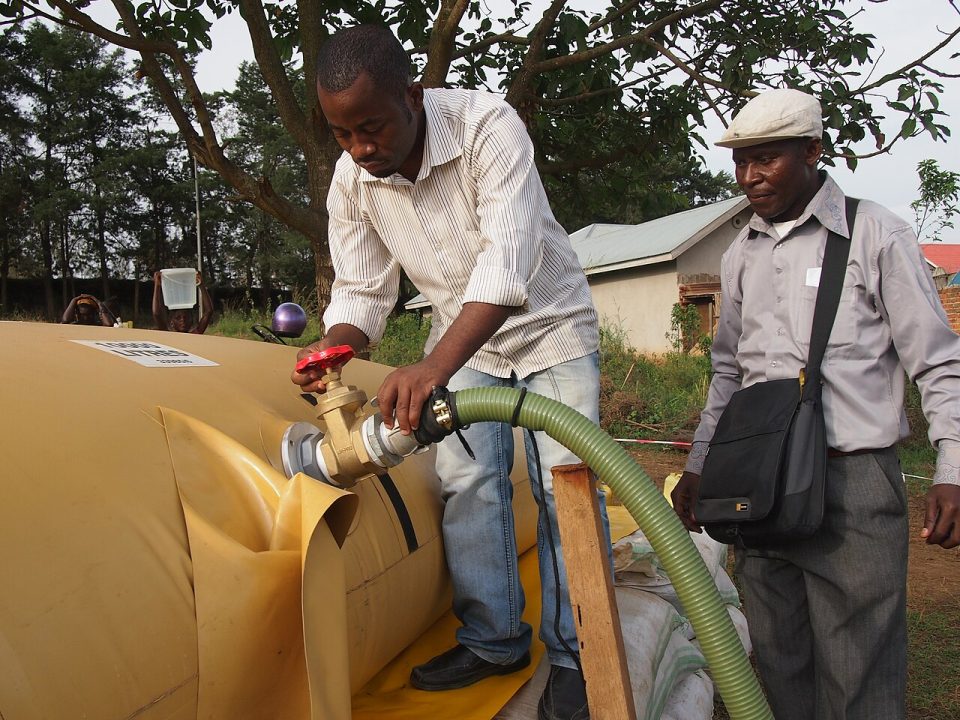
Communities affected by the crisis name safe water, hygiene and sanitation among their main priorities, alongside nutritious food and primary health care.
Cholera, measles and mpox continue to pose significant risks, especially where response capacity is limited. Recent Ebola outbreaks were contained, but the risk of resurgence persists.
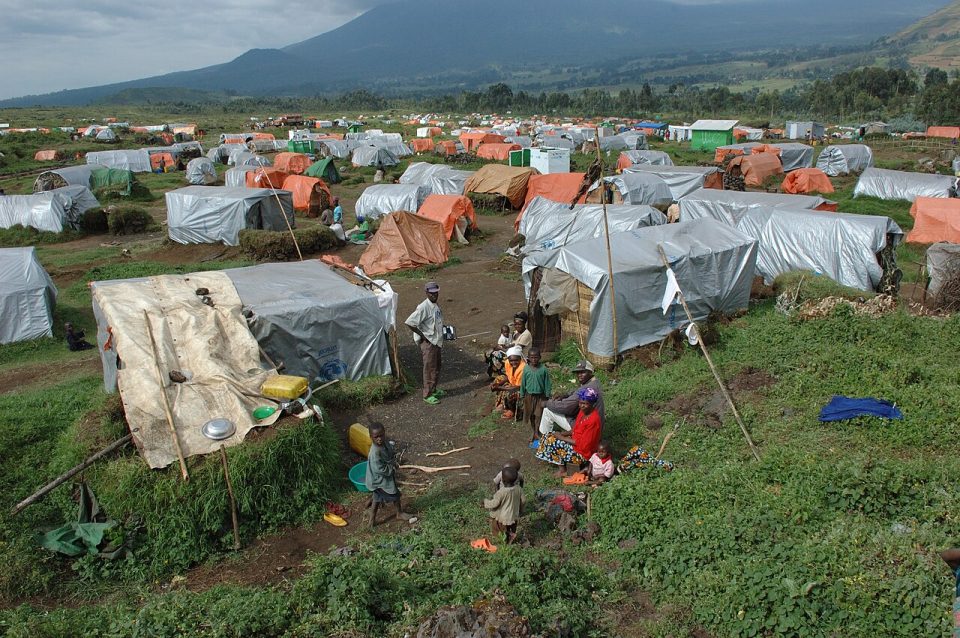
More than 5.3 million people were internally displaced as of September 2025, and more than 3 million returns were recorded during 2025, including unplanned returns after site closures.
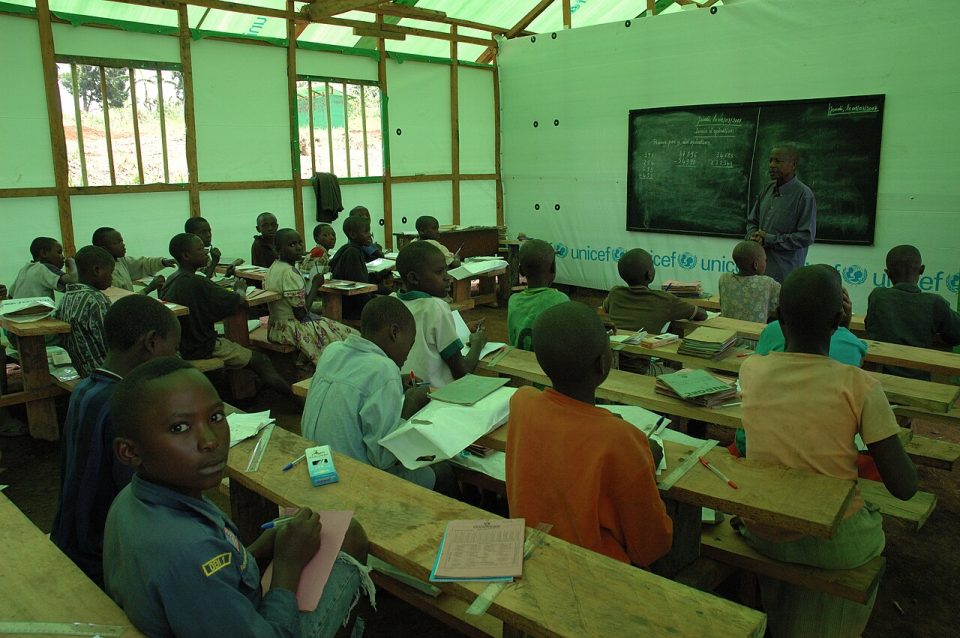
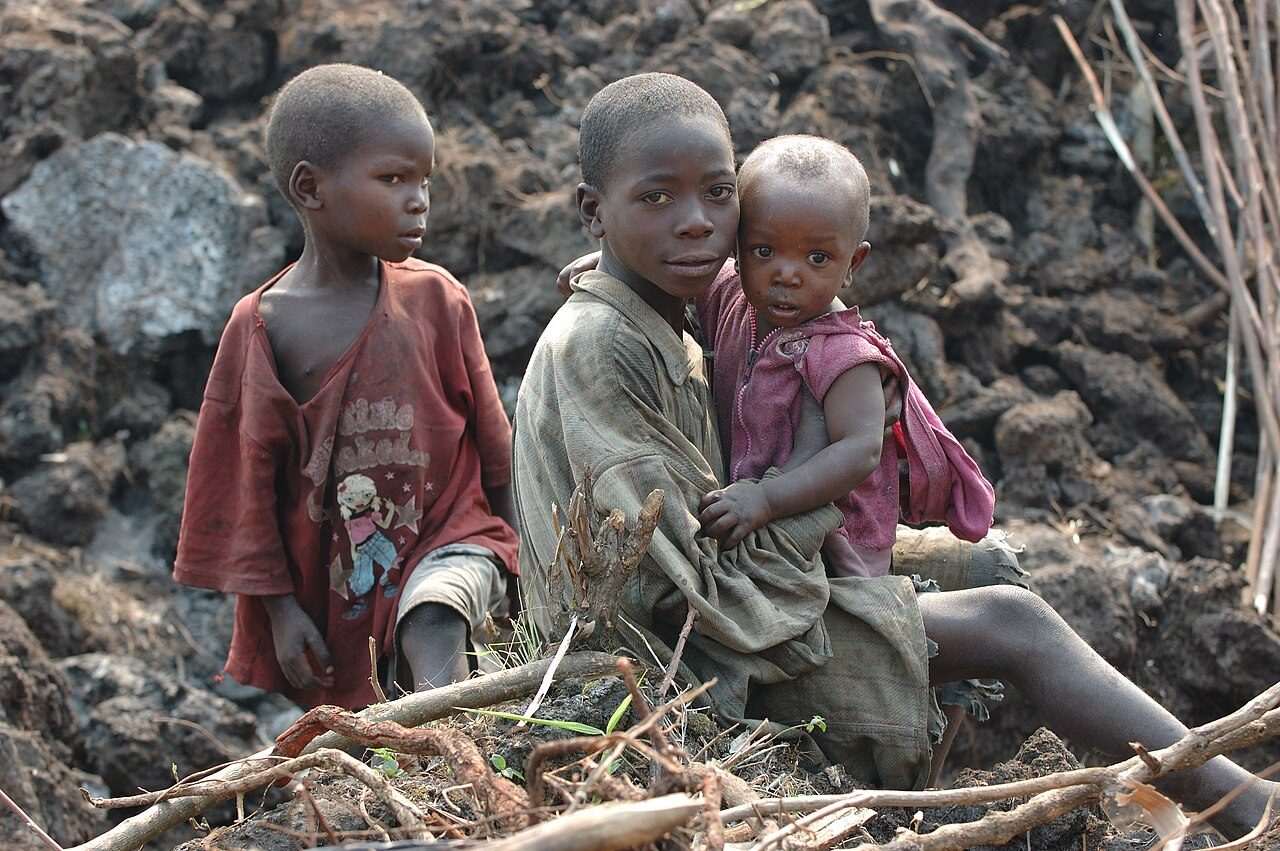
Children, women and girls, persons with disabilities and survivors of gender-based violence face disproportionate risks. Families displaced again and again struggle to keep children in school.
Third-party report
Tumaini, 39, came back with her family to Sake in North Kivu after fleeing. Their house was destroyed; they now live under a tarpaulin on the same plot.
Originally reported by UN OCHA (story: Francis Mweze) · 8 December 2025
3 · Our response
Funds raised for this country are kept in its fund and used for our programmes there.
Choose the DR Congo fund on the donation page. You will see exactly who receives your gift before you pay.