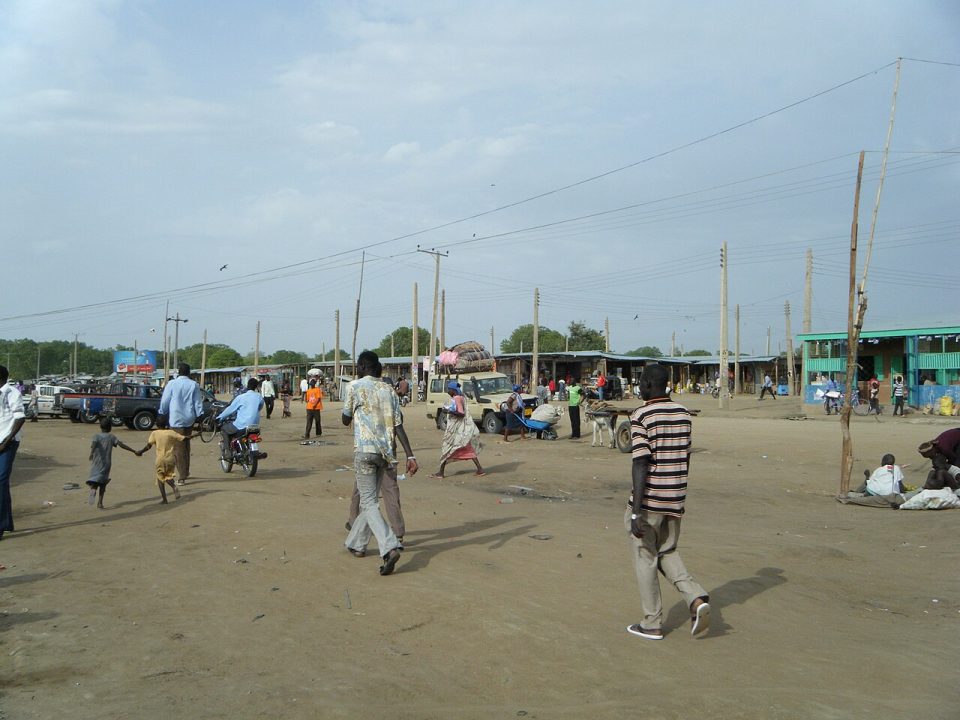
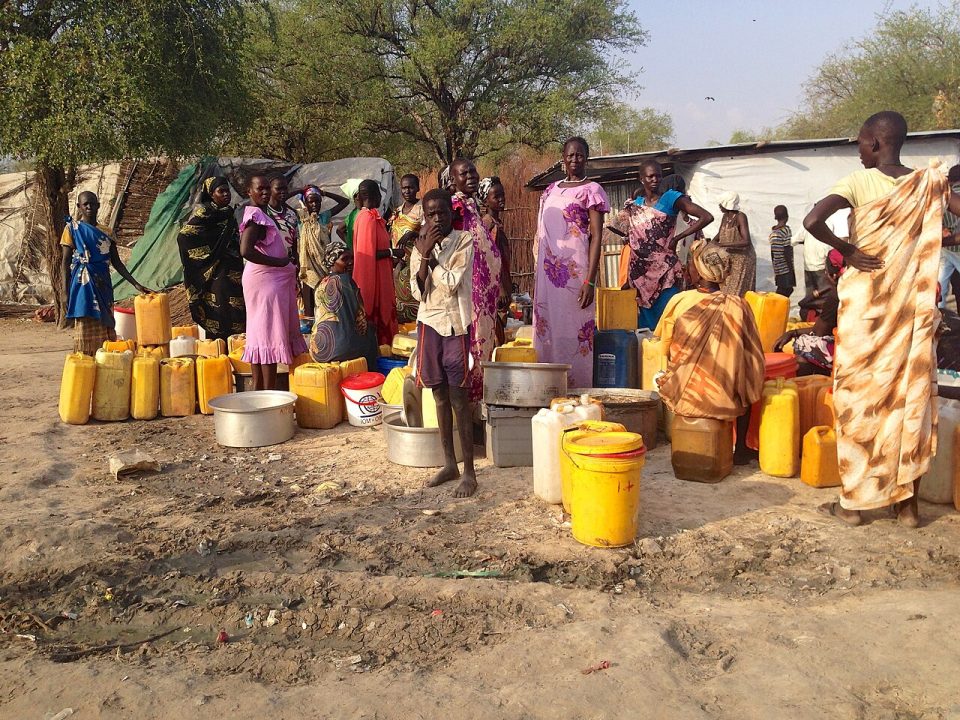
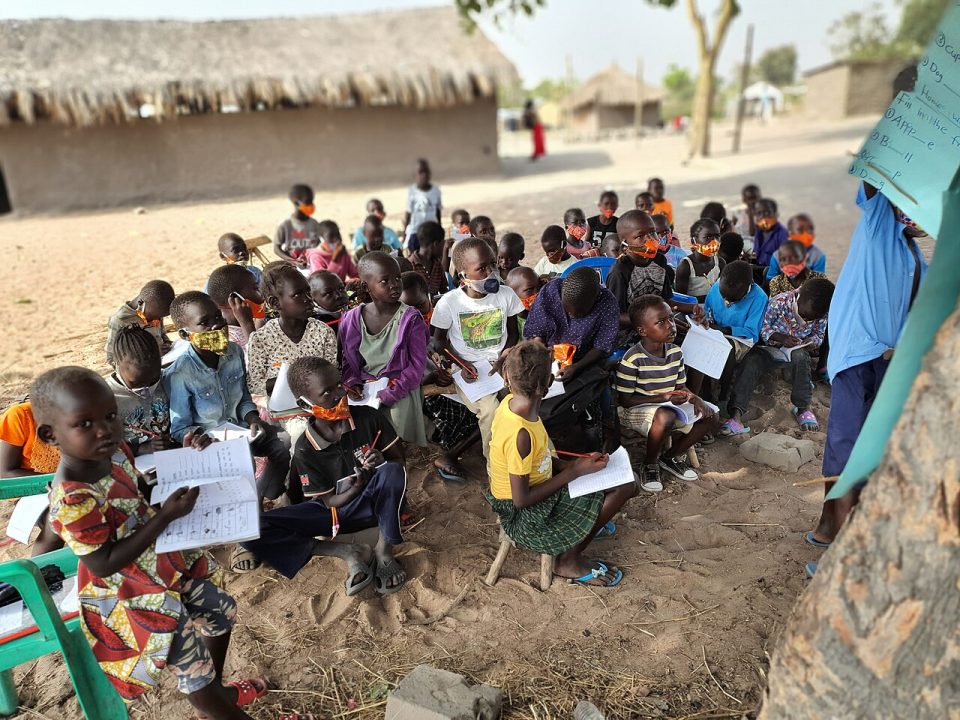
People in need
9.9 million
People in need of humanitarian assistance
Current figure. At launch: 10 million (about two-thirds of the population).
Source: UN OCHA · 2026 · Last verified 24 November 2026
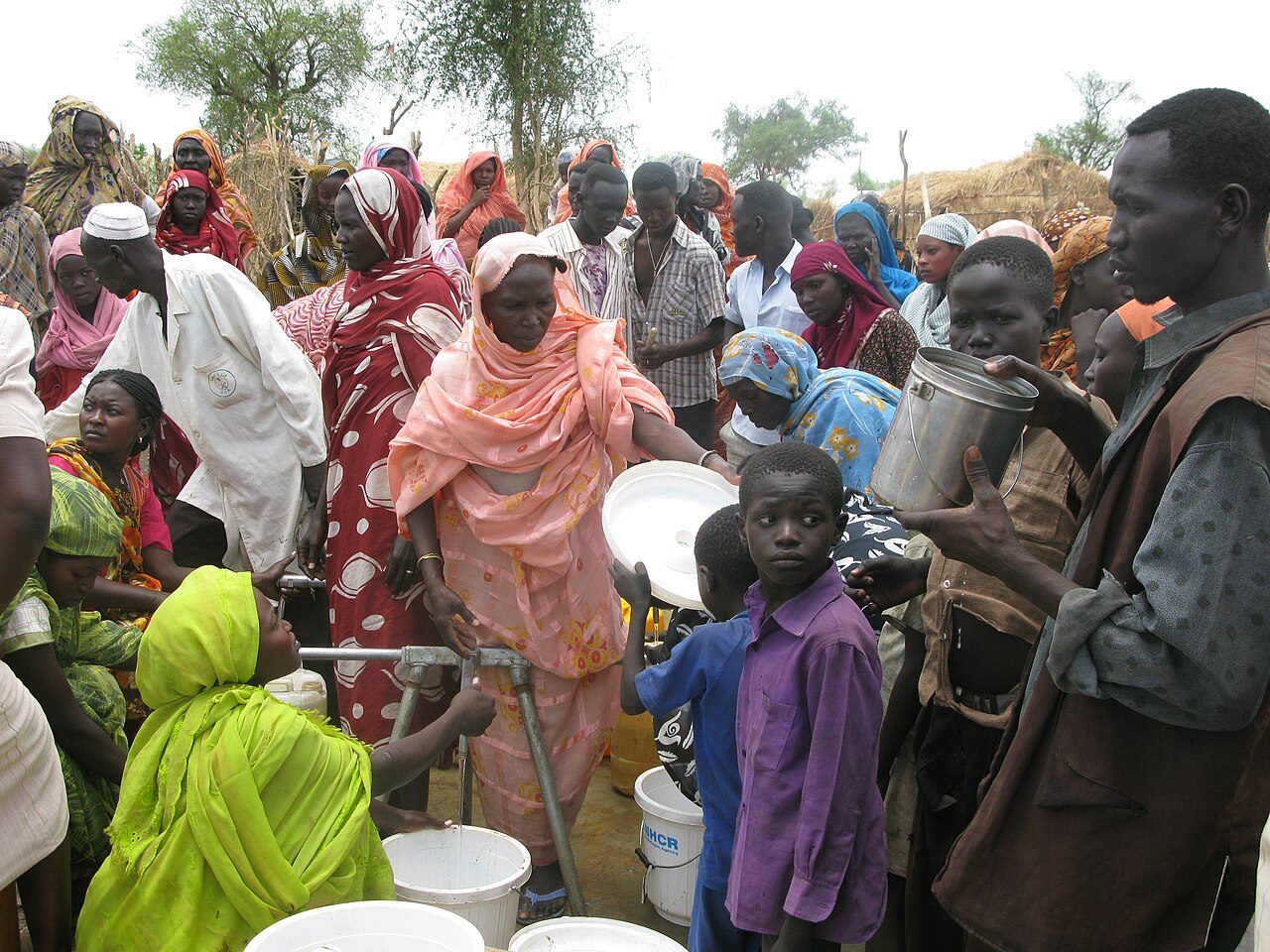
Two thirds of the population need help
South Sudan is facing a convergence of humanitarian, economic, security, health and climate crises, made worse by people fleeing the war in Sudan.
Photo: DFID – UK Department for International Development · CC BY-SA 2.0 · 2012 · Source
1 · The humanitarian reality
About two thirds of the country's population need humanitarian assistance in 2026. Families are caught in cycles of violence, floods and disease outbreaks.
Since 2019, annual flooding has affected more than one million people each year. As of November 2025, about 1.3 million people had arrived from Sudan.
People in need
9.9 million
People in need of humanitarian assistance
Current figure. At launch: 10 million (about two-thirds of the population).
Source: UN OCHA · 2026 · Last verified 24 November 2026
People targeted
4.3 million
People targeted for assistance by the UN-coordinated plan
Source: UN OCHA · 2026 · Last verified 24 November 2026
Context
7.5 million
People in crisis or emergency food insecurity (IPC 3+)
Projected in crisis or worse hunger (IPC 3+) in the April–July 2026 lean season.
Source: UN OCHA · 2026 · Last verified 24 November 2026
Context
2.1 million
Children (6–59 months) expected to suffer acute malnutrition
Children aged 6–59 months expected to suffer acute malnutrition up to June 2026.
Source: UN OCHA · 2026 · Last verified 24 November 2026
Context
2.6 million
People internally displaced
Internally displaced, many for over a decade.
Source: UN OCHA · 2025 · Last verified 24 November 2026
Context
1.3 million
People who arrived from Sudan
Cumulative arrivals from Sudan as of November 2025.
Source: UN OCHA · 2025 · Last verified 24 November 2026
Country map
Areas named in the UN plan as most severe or prioritised
Regions highlighted: Upper Nile, Unity and Jonglei, where the 2026 plan reports the greatest needs and the most severe access constraints.
Source: UN OCHA
2 · The people affected
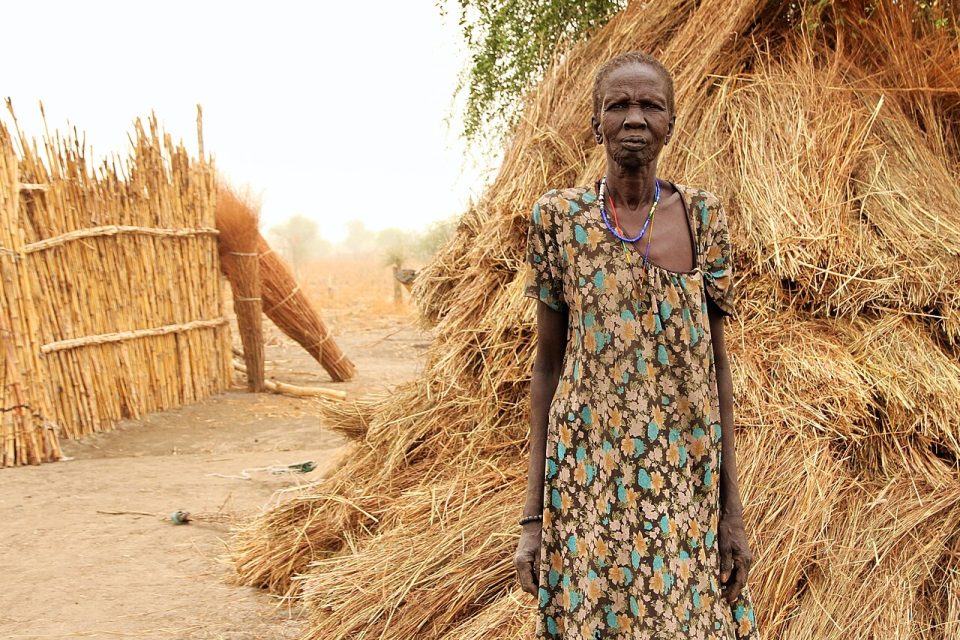
More than 7.5 million people are projected to face crisis or worse levels of hunger (IPC 3+) during the April–July 2026 lean season. Some 2.1 million children aged 6–59 months are expected to suffer acute malnutrition.
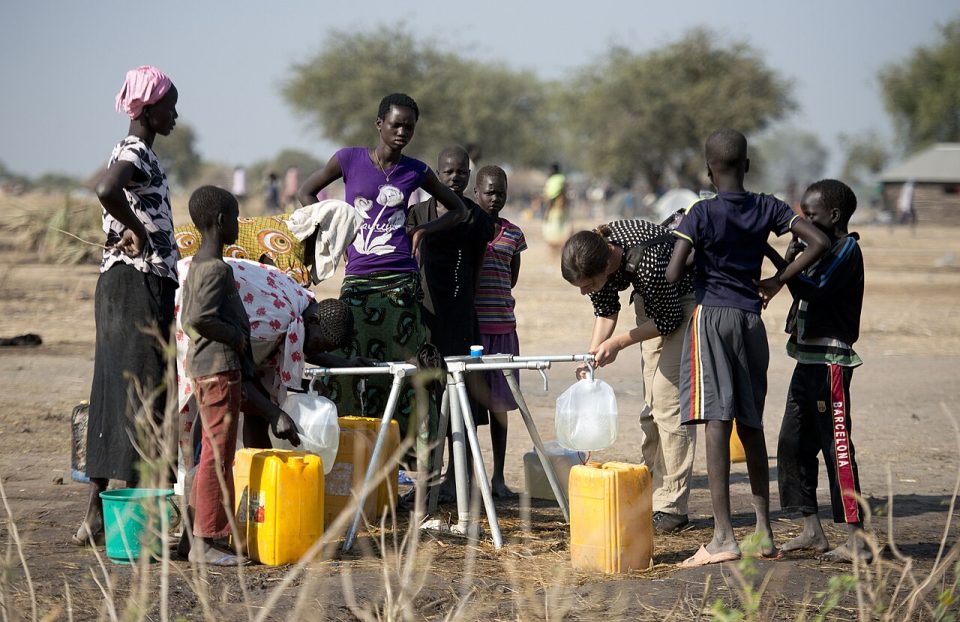
Repeated floods damage water points and latrines, and the country is facing the worst cholera outbreak in its history, with more than 95,000 cases recorded since September 2024.
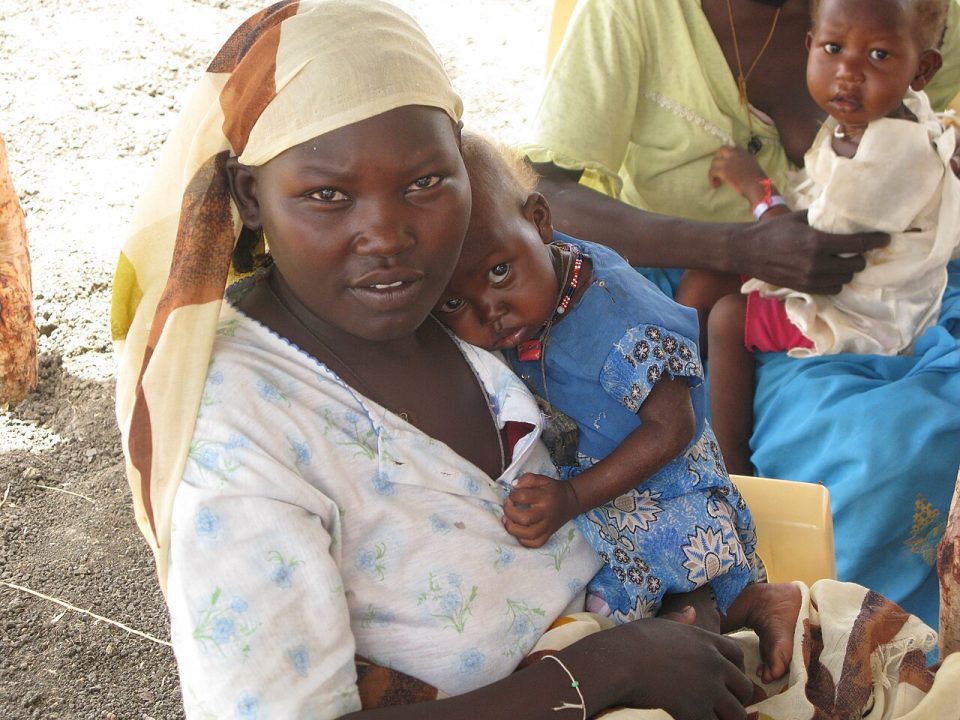
Around 1.1 million pregnant and breastfeeding women are at risk of malnutrition and in need of treatment. Funding shortfalls and attacks on aid workers are forcing health services to close.
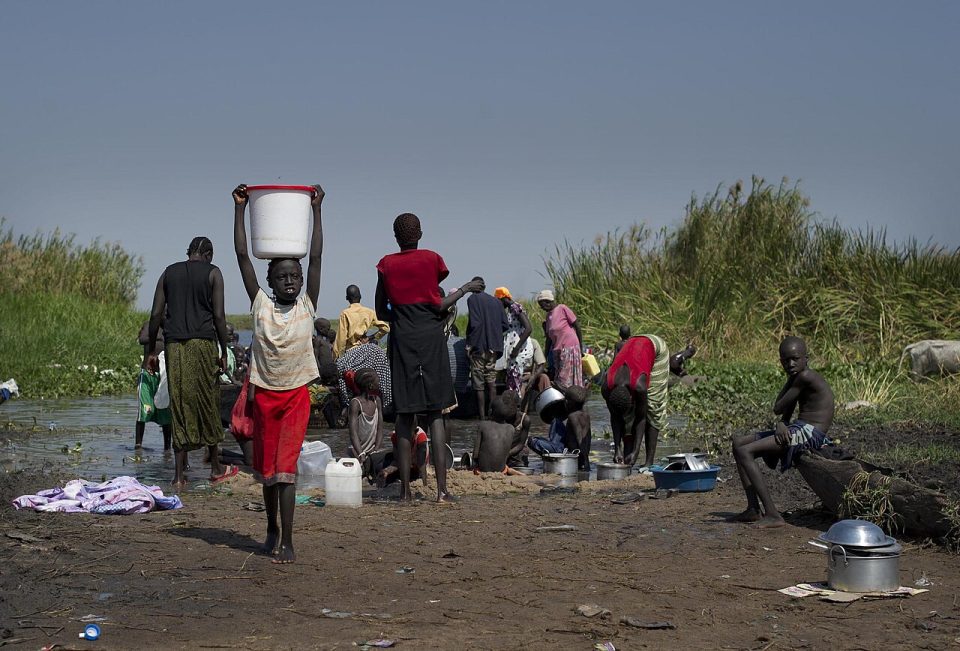
An estimated 2.6 million people remain internally displaced, many for more than a decade. In 2025 alone, more than 675,000 people were newly displaced by conflict and floods.
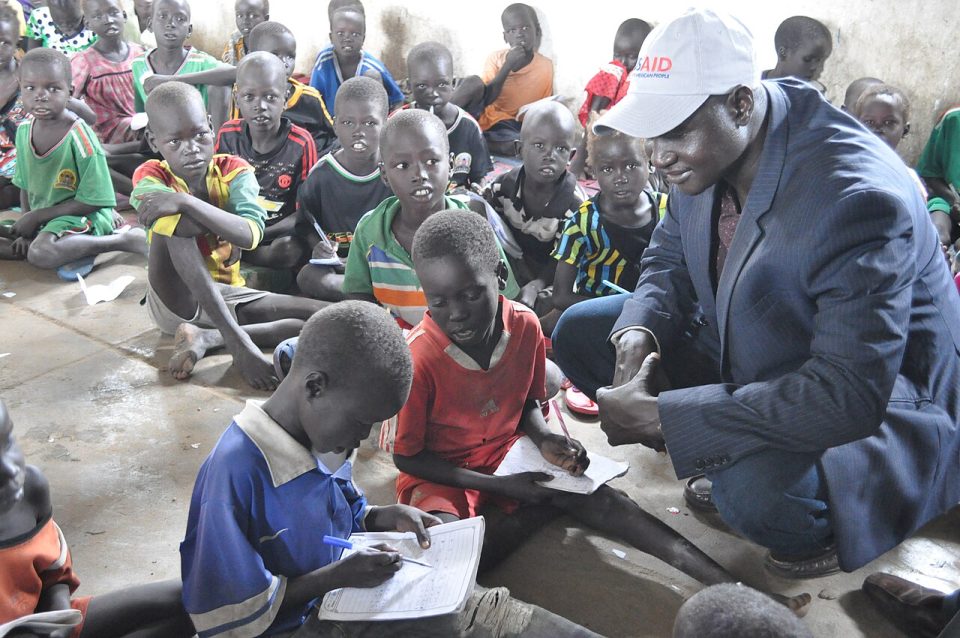
Conflict, floods and displacement keep many children out of school. Communities often organise learning under trees or in temporary shelters.
Third-party report
For five years, Qisma, her husband and their five children have lived in Bor Town's former displacement camp in South Sudan.
Originally reported by UN OCHA (story: Basma Ourfali) · 13 January 2026
In 2015, Nyadil Machar, a farmer in Lankien, Jonglei, explained that her millet would last until May. After that, her family would have to eat leaves.
Originally reported by Oxfam East Africa · 13 March 2015
Lala Ali, 20, walked for eight days with her child to escape fighting in Sudan's Blue Nile State and reach Jamam refugee camp in South Sudan.
Originally reported by UK Department for International Development (DFID) · 25 April 2012
3 · Our response
Funds raised for this country are kept in its fund and used for our programmes there.
Choose the South Sudan fund on the donation page. You will see exactly who receives your gift before you pay.